
Hospital Project Risks: Practical Ways to Reduce Delays, Cost Overruns and Opening-Day Gaps
November 4, 2026Biomedical Waste Management Rules for Hospitals in India (2026 Compliance Guide)
November 5, 2026Designing Resilient Hospitals: Planning for Power, Water, Climate and Supply Interruptions

Designing Resilient Hospitals: Planning for Power, Water, Climate and Supply Interruptions
A hospital that stops when the grid fails or the water runs out is not finished. This guide sets out how to assess hazards, size backup power and water, design for heat and flooding, and protect supply chains — drawing on WHO guidance and recent experience in Africa.
class="attachment-full size-full wp-image-7466" alt="" srcset="https://www.hospertz.com/wp-content/uploads/2026/11/vishal-Jadhav-6.png 500w, https://www.hospertz.com/wp-content/uploads/2026/11/vishal-Jadhav-6-300x300.png 300w, https://www.hospertz.com/wp-content/uploads/2026/11/vishal-Jadhav-6-150x150.png 150w, https://www.hospertz.com/wp-content/uploads/2026/11/vishal-Jadhav-6-75x75.png 75w, https://www.hospertz.com/wp-content/uploads/2026/11/vishal-Jadhav-6-480x480.png 480w, https://www.hospertz.com/wp-content/uploads/2026/11/vishal-Jadhav-6-24x24.png 24w, https://www.hospertz.com/wp-content/uploads/2026/11/vishal-Jadhav-6-36x36.png 36w, https://www.hospertz.com/wp-content/uploads/2026/11/vishal-Jadhav-6-48x48.png 48w" sizes="(max-width:767px) 480px, 500px" /> Dr. Vishal Jadhav · Founder, Hospertz

31 October 2026 4 min read
class="attachment-full size-full wp-image-7474" alt="" srcset="https://www.hospertz.com/wp-content/uploads/2026/11/resilient-hospital-design-power-water-climate-featured.webp 1200w, https://www.hospertz.com/wp-content/uploads/2026/11/resilient-hospital-design-power-water-climate-featured-300x158.webp 300w, https://www.hospertz.com/wp-content/uploads/2026/11/resilient-hospital-design-power-water-climate-featured-1024x538.webp 1024w, https://www.hospertz.com/wp-content/uploads/2026/11/resilient-hospital-design-power-water-climate-featured-768x403.webp 768w, https://www.hospertz.com/wp-content/uploads/2026/11/resilient-hospital-design-power-water-climate-featured-143x75.webp 143w, https://www.hospertz.com/wp-content/uploads/2026/11/resilient-hospital-design-power-water-climate-featured-480x252.webp 480w, https://www.hospertz.com/wp-content/uploads/2026/11/resilient-hospital-design-power-water-climate-featured-24x13.webp 24w, https://www.hospertz.com/wp-content/uploads/2026/11/resilient-hospital-design-power-water-climate-featured-36x19.webp 36w, https://www.hospertz.com/wp-content/uploads/2026/11/resilient-hospital-design-power-water-climate-featured-48x25.webp 48w" sizes="(max-width:767px) 480px, (max-width:1200px) 100vw, 1200px" /> In this article
- Close to a billion people are served by health facilities without reliable electricity, according to WHO and partners.
- Start with a structured hazard assessment; WHO's Hospital Safety Index is a widely used tool.
- Tier electrical loads by clinical priority and size backup for realistic outage lengths, not ideal ones.
- Water, sanitation and waste are as critical as power and need days of autonomy, not hours.
- Resilience is also operational: stock buffers, drills and continuity plans keep a building's capability usable.
Hospitals are expected to work hardest exactly when everything around them is failing — during heatwaves, floods, grid collapses, disease outbreaks and supply shocks. Yet many are designed as though utilities are permanent and supply chains never break.
The global numbers show the scale of the gap. WHO and partners estimate that close to one billion people are served by health-care facilities with no electricity or unreliable supply, and that in sub-Saharan Africa power is unreliable for half of facilities (WHO). WHO and UNICEF report that in 2023 an estimated 1.1 billion people were served by facilities lacking basic water services and 2.8 billion by facilities without basic waste services (WHO/UNICEF).
Resilience has to be designed in. Here is how.
Start with a hazard and vulnerability assessment
Before choosing equipment, identify what the hospital must withstand: grid outages, water interruptions, extreme heat, flooding, storms, seismic risk, conflict or civil disruption, and supply delays. WHO’s Hospital Safety Index provides a structured way to rate structural safety, non-structural safety and emergency and disaster management capacity; PAHO notes it is applied in more than 83 countries (PAHO). For new projects, the same categories make a useful design checklist.
For climate, WHO’s 2023 operational framework for climate resilient and low carbon health systems sets out ten components, including climate-resilient and low-carbon infrastructure, technologies and supply chains, and climate-related emergency preparedness.
Hazards, design responses and operating responses
| Hazard | Design response | Operating response |
|---|---|---|
| Grid outage | Tiered electrical design, generators with automatic changeover, UPS for critical equipment, solar and batteries | Fuel contracts and stock, monthly load testing, outage protocols |
| Water interruption | On-site storage, treatment, alternative sources, water-efficient fittings | Water-quality testing, rationing plan by department |
| Extreme heat | Shading, insulation, passive ventilation where safe, cooling for critical areas on essential power | Heat-health plans for patients and staff |
| Flooding | Raised ground floors, plant and electrical rooms above flood level, drainage design | Flood warnings, sandbag and relocation plans |
| Supply disruption | Storage space for buffer stock, oxygen generation where appropriate | Minimum stock levels, alternative suppliers |
Illustrative framework: responses should be selected and sized for each site.
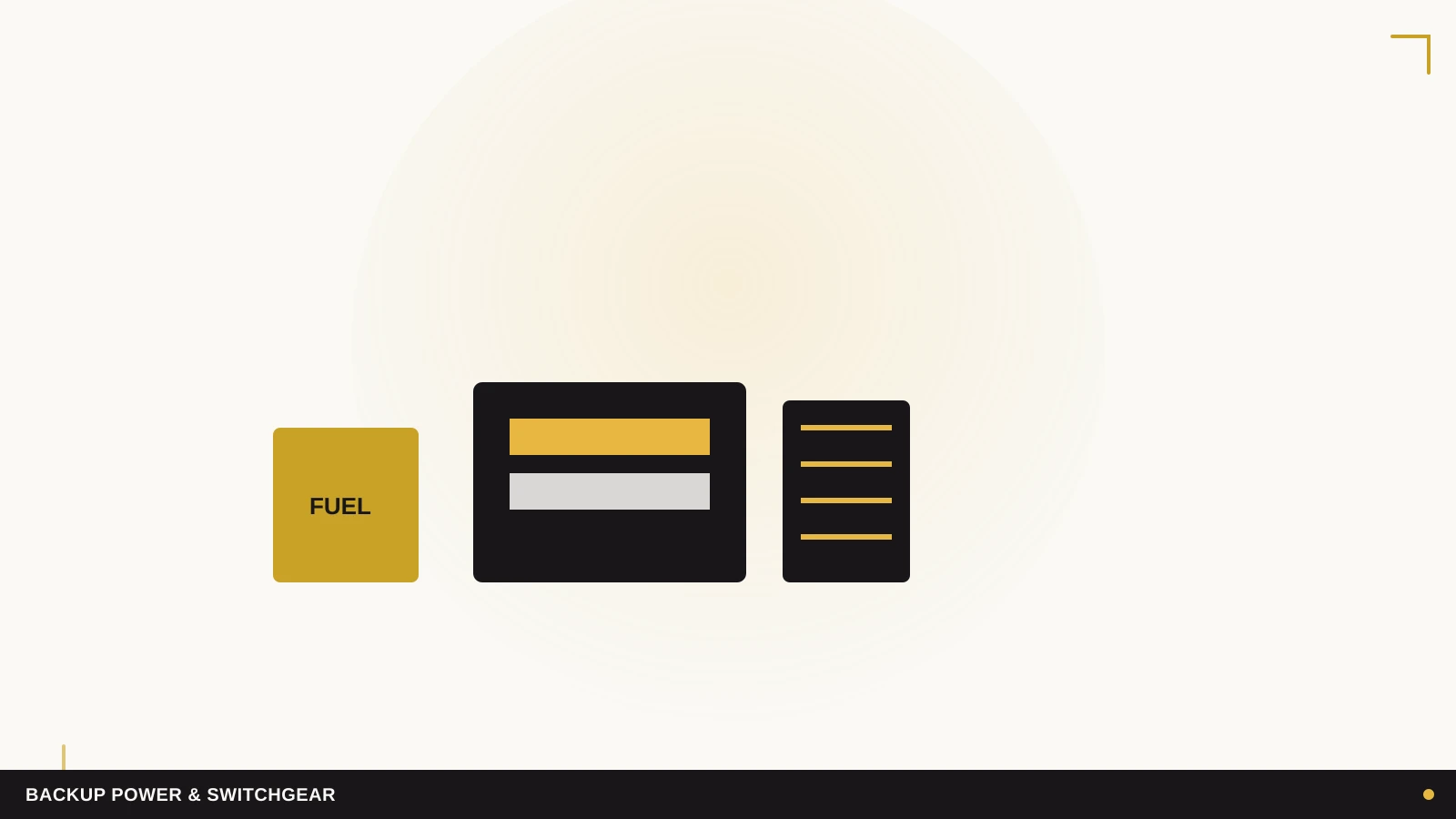
class="attachment-full size-full wp-image-7472" alt="" srcset="https://www.hospertz.com/wp-content/uploads/2026/11/resilient-hospital-design-power-water-climate-1.webp 1600w, https://www.hospertz.com/wp-content/uploads/2026/11/resilient-hospital-design-power-water-climate-1-300x169.webp 300w, https://www.hospertz.com/wp-content/uploads/2026/11/resilient-hospital-design-power-water-climate-1-1024x576.webp 1024w, https://www.hospertz.com/wp-content/uploads/2026/11/resilient-hospital-design-power-water-climate-1-768x432.webp 768w, https://www.hospertz.com/wp-content/uploads/2026/11/resilient-hospital-design-power-water-climate-1-1536x864.webp 1536w, https://www.hospertz.com/wp-content/uploads/2026/11/resilient-hospital-design-power-water-climate-1-133x75.webp 133w, https://www.hospertz.com/wp-content/uploads/2026/11/resilient-hospital-design-power-water-climate-1-1200x675.webp 1200w, https://www.hospertz.com/wp-content/uploads/2026/11/resilient-hospital-design-power-water-climate-1-480x270.webp 480w, https://www.hospertz.com/wp-content/uploads/2026/11/resilient-hospital-design-power-water-climate-1-24x14.webp 24w, https://www.hospertz.com/wp-content/uploads/2026/11/resilient-hospital-design-power-water-climate-1-36x20.webp 36w, https://www.hospertz.com/wp-content/uploads/2026/11/resilient-hospital-design-power-water-climate-1-48x27.webp 48w" sizes="(max-width:767px) 480px, (max-width:1600px) 100vw, 1600px" /> Backup power is a system: generators, fuel, switchgear, UPS and regular testing.

Power: tier the loads, then size the backup
Backing up an entire hospital is expensive and often unnecessary. A better approach is to classify loads:
- Critical: theatres, ICU, neonatal care, emergency, life-support equipment, medical gas alarms, essential lighting
- Essential: wards, pharmacy cold chain, laboratory, imaging, kitchens, key IT
- General: offices, non-essential cooling, amenities
Size generation and storage for the critical and essential tiers and for realistic outage durations in that location. South Africa’s experience is instructive: in 2022 the Minister of Health said generators had not adequately met demand during load shedding, forcing some hospitals to switch off critical areas (SAnews). Solar with battery storage can reduce fuel cost and extend autonomy, but it complements — rather than replaces — properly maintained standby generation.
Hospertz tipSpecify a monthly on-load generator test and a full changeover test at least annually in the operations manual, and budget for it. A generator that has never carried the hospital's real load is an assumption, not a backup.
Water, sanitation and waste
Water is needed for hand hygiene, sterilisation, dialysis, laboratories, kitchens, laundry and cooling. Plan storage for multiple days of operation, with treatment appropriate to each use, metering to spot leaks, and an alternative source where feasible. Sanitation and healthcare waste systems need the same resilience — a full waste store with no collection is an infection-control problem within days. UK guidance such as HBN 00-07 on planning a resilient healthcare estate and HTM 04-01 on safe water are useful references alongside local codes (NHS England HBNs, NHS England HTMs).
Share your plan, budget and timeline for a first discussion. [Confirm Hospertz service or capability]
Climate: design for the next 30 years, not the last
Hospitals last for decades, so design conditions should anticipate higher temperatures and more intense rainfall than historical records show. Practical measures include orientation and shading to reduce cooling loads, raising critical plant above projected flood levels, designing roof drainage for heavier storms, and keeping critical cooling on essential power. These choices also reduce operating emissions — the WHO framework treats resilience and low-carbon operation as two sides of the same goal (WHO).
class="attachment-full size-full wp-image-7473" alt="" srcset="https://www.hospertz.com/wp-content/uploads/2026/11/resilient-hospital-design-power-water-climate-2.webp 1600w, https://www.hospertz.com/wp-content/uploads/2026/11/resilient-hospital-design-power-water-climate-2-300x169.webp 300w, https://www.hospertz.com/wp-content/uploads/2026/11/resilient-hospital-design-power-water-climate-2-1024x576.webp 1024w, https://www.hospertz.com/wp-content/uploads/2026/11/resilient-hospital-design-power-water-climate-2-768x432.webp 768w, https://www.hospertz.com/wp-content/uploads/2026/11/resilient-hospital-design-power-water-climate-2-1536x864.webp 1536w, https://www.hospertz.com/wp-content/uploads/2026/11/resilient-hospital-design-power-water-climate-2-133x75.webp 133w, https://www.hospertz.com/wp-content/uploads/2026/11/resilient-hospital-design-power-water-climate-2-1200x675.webp 1200w, https://www.hospertz.com/wp-content/uploads/2026/11/resilient-hospital-design-power-water-climate-2-480x270.webp 480w, https://www.hospertz.com/wp-content/uploads/2026/11/resilient-hospital-design-power-water-climate-2-24x14.webp 24w, https://www.hospertz.com/wp-content/uploads/2026/11/resilient-hospital-design-power-water-climate-2-36x20.webp 36w, https://www.hospertz.com/wp-content/uploads/2026/11/resilient-hospital-design-power-water-climate-2-48x27.webp 48w" sizes="(max-width:767px) 480px, (max-width:1600px) 100vw, 1600px" /> Drills turn a resilient building into a resilient hospital.

Operational resilience: the part buildings cannot do alone
The best-engineered building still depends on people and processes. Every hospital should have a business continuity plan that names which services continue, reduce or stop under each scenario; minimum stock levels for medicines, oxygen and consumables; supplier alternatives; and regular drills. Keep spare parts for critical engineering systems on site, and make sure more than one person knows how to operate them.
Resilience costs money up front and saves it — and lives — later. Build it into the brief, the budget and the operations manual from the start. For market-specific context, see our guides to Kenya and South Africa.
Sources and notes
- WHO — close to one billion people served by health facilities without reliable electricity (Jan 2023)
- WHO fact sheet — Electricity in health-care facilities
- WHO/UNICEF — Essential services for quality care: 2025 global progress report (news release)
- WHO — Hospital Safety Index: guide for evaluators, 2nd ed.
- PAHO — Hospital Safety Index course (use in 83+ countries)
- WHO — Operational framework for climate resilient and low carbon health systems (Nov 2023)
- SAnews — 37 hospitals excluded from load shedding (Sept 2022)
- NHS England — Health Building Notes (incl. HBN 00-01, 00-07, 00-09)
- NHS England — Health Technical Memoranda (incl. HTM 03-01, 04-01, 05-02)
Assumptions and recommendations: Load tiers, design responses and testing frequencies are recommended practice, not regulatory requirements. Confirm local electrical, fire and water codes for each project.
Information is general guidance, not legal, regulatory or investment advice. Last reviewed: October 2026.
Frequently asked questions
How much backup power does a hospital need?
Enough to run critical and essential loads for realistic outage durations in that location. Classify loads by clinical priority first, then size generators, fuel storage, UPS and any solar and battery systems to those tiers.
What is the WHO Hospital Safety Index?
It is a WHO tool for assessing a hospital's structural safety, non-structural safety and emergency and disaster management capacity, producing a safety rating and guiding improvements. It is used in many countries and can also inform new designs.
Can solar replace generators in a hospital?
Solar with battery storage can significantly cut fuel use and extend autonomy, but most hospitals still need properly maintained standby generation for critical loads, especially for long outages or periods of low sun.
How many days of water storage should a hospital have?
There is no single figure; it depends on supply reliability, demand and local codes. Many planners design for multiple days of operation for essential uses and pair storage with treatment and an alternative source.
What makes a hospital climate resilient?
Designing for future heat and rainfall, protecting critical plant from flooding, keeping essential cooling on backup power, securing water and supply chains, and running drills and continuity plans — as outlined in WHO's climate-resilient health systems framework.
class="attachment-full size-full wp-image-7467" alt="" srcset="https://www.hospertz.com/wp-content/uploads/2026/11/vishal-Jadhav-7.png 500w, https://www.hospertz.com/wp-content/uploads/2026/11/vishal-Jadhav-7-300x300.png 300w, https://www.hospertz.com/wp-content/uploads/2026/11/vishal-Jadhav-7-150x150.png 150w, https://www.hospertz.com/wp-content/uploads/2026/11/vishal-Jadhav-7-75x75.png 75w, https://www.hospertz.com/wp-content/uploads/2026/11/vishal-Jadhav-7-480x480.png 480w, https://www.hospertz.com/wp-content/uploads/2026/11/vishal-Jadhav-7-24x24.png 24w, https://www.hospertz.com/wp-content/uploads/2026/11/vishal-Jadhav-7-36x36.png 36w, https://www.hospertz.com/wp-content/uploads/2026/11/vishal-Jadhav-7-48x48.png 48w" sizes="(max-width:767px) 480px, 500px" /> Founder and Director of Hospertz. After a career in medicine, Dr. Vishal moved into corporate healthcare and now leads a team of healthcare architects, NABH consultants and project managers who plan and build hospitals, clinics and diagnostic centres across India.
Related guides
Turn this guide into a plan for your hospital.
Discuss feasibility, planning, budget and timelines with the Hospertz team. [Confirm Hospertz service or capability]